Why Textur Is Reshaping How We Think About Digital Design and Content
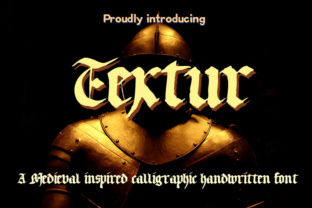
Every designer, content creator, or business owner knows the feeling of staring at a flat screen, wishing for more depth. For years, the digital world has been criticized for lacking tactile richness. That is where Textur enters the conversation. Textur is not just another asset library or a filter pack. It represents a shift toward bringing physical sensation into digital spaces through intentional texture, grain, materiality, and visual depth.
More people are beginning to understand that texture does more than decorate a page. It communicates quality, evokes emotion, and builds trust. This article explores what Textur is, why it is gaining traction, and how you can apply it thoughtfully to your projects without chasing hollow trends.
What Textur Means in a Modern Context
Textur refers to the deliberate addition of tactile visual elements to digital interfaces, content, or branding. Think subtle paper grain on a background, the weave of fabric in a product shot, or the roughness of stone in a typography treatment. These cues tell the viewer's brain that what they are seeing has weight and presence.
The relevance of Textur today stems from a growing backlash against overly polished, sterile design. Flat design once promised clarity, but after years of minimalism, many audiences crave warmth. Texture provides that warmth without sacrificing usability. It makes a website feel like a physical space and a social media post feel like a printed page.
For businesses and creators, the implications are straightforward: texture can differentiate your work in a noisy feed. When everyone uses the same smooth gradients and vector icons, the person who introduces a bit of grit or softness stands out. Textur is not about adding noise for the sake of it. It is about purposeful materiality.
Why Texture Became a Priority for Modern Workflows
The rise of remote work and digital-first branding has changed what people expect from visual communication. A decade ago, a corporate website needed to look clean and professional. Today, it also needs to feel human. Texture is one of the fastest ways to inject humanity into a digital product.
Consider how habits have shifted. People spend hours scrolling through content on small screens. The brain craves variation. A feed where every image has the same polished look leads to fatigue. Introducing texture breaks that monotony. It signals that someone cared about the craft behind the content.
Another factor is the democratization of design tools. Software that once required years of training now offers one-click texture overlays. Platforms like Canva, Figma, and Adobe Express have made texture accessible to non-designers. Textur fits into this ecosystem as a resource or philosophy that prioritizes quality texture over generic presets.
This evolution matters because it shifts the focus from "what can I make" to "how do I want people to feel." Texture is an emotional lever. A rough, grainy texture might evoke nostalgia or authenticity. A smooth, satin texture suggests luxury. Understanding that distinction is where Textur becomes a practical tool rather than a decorative afterthought.
How Creators and Businesses Can Use Textur Effectively
Using texture well requires restraint. The most common mistake is applying heavy texture everywhere, which leads to visual clutter. Instead, think of texture as a seasoning. A little goes a long way.
Here are a few realistic ways to integrate texture into your work:
- Brand identity. Add subtle texture to your logo lockup or brand patterns. A slight grain on a hero image can make a brand feel more established.
- Social media assets. Use textured backgrounds for quote cards or product shots. They stop the scroll without screaming for attention.
- Website design. Apply a light noise overlay to background sections. It softens the digital edge and reduces eye strain during long reading sessions.
- Digital products. If you sell templates, presets, or courses, textured preview images signal higher production value.
- Portfolio and case studies. Texture can help your work feel more narrative. It suggests process and materiality instead of just final output.
The key is to match texture type to your audience. A law firm might benefit from subtle linen or paper texture that suggests tradition and reliability. A streetwear brand might lean into grunge, grit, or halftone patterns. Textur is not a one-size-fits-all solution; it is a library of possibilities that should be chosen with intent.
The Shift in User Expectations Around Materiality
Users today are more visually literate than ever. They have seen every gradient, every drop shadow, and every glassmorphism trend. As a result, they have become harder to impress. But texture works on a subconscious level. It bypasses the critical eye and speaks directly to the sense of touch.
This is why platforms like Pinterest and Behance have seen a surge in texture-heavy projects. Designers are exploring how to simulate worn paper, cracked paint, or soft wool digitally. These experiments are not purely aesthetic. They respond to a deep human need for connection to the physical world, especially when so much of life happens on screens.
For professionals, this means that integrating texture is not about following a trend. It is about acknowledging that digital experiences can be richer. A blog with textured backgrounds for pull quotes feels more inviting. An online store with fabric texture on product cards feels more trustworthy. The brain associates texture with authenticity because texture is hard to fake convincingly. When it is done well, it signals effort.
Textur as a resource helps bridge that gap between intention and execution. Instead of hunting through stock photo sites for something that might work, creators can turn to curated texture sets designed specifically for digital use. This saves time and ensures consistency across projects.
Practical Recommendations for Getting Started
If you are new to working with texture, start small. Pick one area of your work and experiment. Here is a practical approach:
- Identify the mood. What feeling do you want your audience to have? Comfort, excitement, trust, nostalgia? Each texture carries emotional weight.
- Choose subtlety. For digital screens, textures should be barely noticeable at first glance. They work best when the viewer feels something without immediately knowing why.
- Test across devices. A texture that looks great on a high-resolution monitor may become muddy on a phone. Check your work on different screens.
- Pair with typography. Texture and type are partners. A delicate serif font pairs well with paper texture. A bold sans-serif can handle rougher grain.
- Stay authentic. Avoid using texture solely to mask poor design. It should enhance a solid foundation, not hide one.
For those using Textur directly, look for collections that offer high-resolution files with multiple color variations. This gives you flexibility without needing to edit the texture yourself. Also consider licensing. Many texture packs allow commercial use, which is essential for client work or product sales.
Another overlooked opportunity is video. Adding subtle grain or film texture to video content creates a cohesive look across stills and motion. This is especially valuable for creators who produce both photo and video content for social platforms. Consistency in texture builds a recognizable visual language.
Why Textur Matters for Long-Term Creative Growth
Texture is not a seasonal trend. It is a fundamental element of design that has existed in print for centuries. What is new is its digital application. As tools improve and audiences become more discerning, texture will only become more important.
Investing in understanding Textur now means you are not chasing a fad. You are building a skill that will serve you across formats and industries. Whether you are a blogger trying to make your site feel more personal, an entrepreneur building a brand from scratch, or a marketer looking to increase engagement, texture offers a low-risk, high-impact way to improve your output.
The creators who will thrive in the coming years are those who can make digital experiences feel human. Texture is one of the most direct paths to that goal. It reminds viewers that behind every pixel is a person who cared about the way things feel.
Textur, as both a concept and a resource, invites you to slow down and be intentional. That alone is worth paying attention to.