Embracing Simplicity: How Marvin Thin Is Reshaping Digital Content and Design
In a digital landscape overflowing with noise, clutter, and competing attention demands, a countermovement is quietly gaining momentum. Professionals, creators, and entrepreneurs are increasingly seeking tools and frameworks that strip away the nonessential. Enter Marvin Thin—a concept that embodies this shift toward purposeful minimalism. But what exactly is Marvin Thin, and why is it capturing the attention of marketers, designers, freelancers, and business leaders alike? More importantly, how does it fit into the broader evolution of how we create, consume, and interact with digital content?
This article explores the essence of Marvin Thin, its practical relevance across industries, and the larger trends that make it not just a passing curiosity but a meaningful response to changing professional needs.
Understanding Marvin Thin and Its Core Philosophy
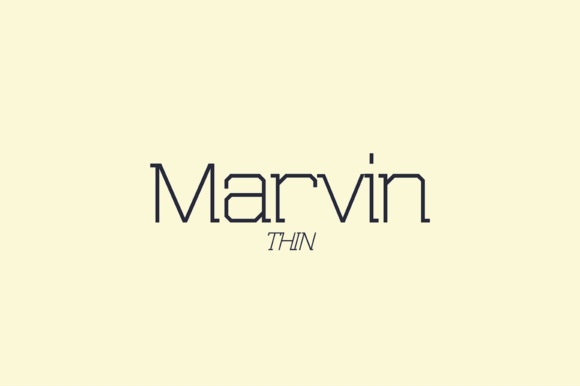
At its simplest, Marvin Thin refers to a design and content approach defined by extreme lightness—both in visual weight and cognitive load. Imagine a typeface that communicates clarity without shouting, a layout that guides without overwhelming, or a content structure that delivers depth without density. That is the spirit of Marvin Thin. It is not merely a font weight or a style guide; it is a philosophy that prioritizes efficiency, readability, and intention over decoration and excess.
For those working in digital product development, Marvin Thin aligns with principles of minimalist design and content-first architecture. It encourages creators to ask hard questions: Does this element serve the user's goal? Does this paragraph add value? Can this interface be reduced without losing meaning? The answer often leads to thinner, more focused outputs—whether that means lighter code, leaner copy, or cleaner visuals.
The name itself evokes a sense of precision. "Marvin" suggests a robust, reliable foundation—something tested and trusted—while "Thin" signals refinement, agility, and a deliberate removal of the superfluous. Together, they represent a toolset and mindset for building digital experiences that respect the user's time and attention.
The Broader Shift Toward Minimalist Digital Experiences
The rise of Marvin Thin does not happen in a vacuum. It mirrors a larger cultural and professional movement toward minimalism, driven by several converging factors.
First, there is cognitive overload. The average professional encounters thousands of messages, notifications, and interface elements daily. Our brains are wired to filter, but the sheer volume of digital stimuli has reached a tipping point. Research consistently shows that simpler designs reduce error rates, improve comprehension, and increase user satisfaction. Marvin Thin responds directly to this by advocating for reduced visual noise and clearer hierarchies.
Second, performance expectations have intensified. Users expect websites, applications, and content to load instantly. Heavy designs with excessive scripts, large images, and complex layouts create friction. Marvin Thin's emphasis on lightness naturally aligns with performance optimization—smaller file sizes, faster rendering, and smoother interactions. This is not just a nice-to-have; it directly impacts conversion rates, engagement metrics, and SEO rankings.
Third, the remote and hybrid work environment has accelerated the need for tools and content that work seamlessly across devices and bandwidths. Professionals access information on phones, tablets, laptops, and large monitors. A thin, responsive approach ensures that content remains legible and functional regardless of screen size or connection speed. Marvin Thin offers a framework for cross-platform consistency without redundancy.
Why Professionals Are Paying Attention to Marvin Thin
Interest in Marvin Thin is not confined to designers or developers. Marketers, entrepreneurs, freelancers, and content strategists are also taking note—and for good reason.
For marketers, attention is the scarcest resource. A thin, focused content strategy means fewer distractions and stronger calls to action. When every word and visual element earns its place, the message becomes more powerful. Marvin Thin encourages marketers to hone their core narrative and eliminate the fluff that dilutes impact. This is especially relevant in email marketing, landing pages, and social media, where brevity often outperforms elaboration.
Entrepreneurs and freelancers benefit from the efficiency gains. Building a brand or product with a Marvin Thin mindset means less time spent on unnecessary details and more time on value delivery. A thinner design system reduces maintenance overhead, simplifies iteration, and makes collaboration easier—especially for small teams with limited resources. It also projects confidence. A brand that communicates clearly and concisely earns trust faster than one that buries its value proposition under layers of decoration.
Creators and content professionals find that Marvin Thin helps them focus on substance. Whether writing articles, producing videos, or designing presentations, the discipline of thinning down forces prioritization. What is the one thing the audience must take away? How can that be expressed most directly? These questions lead to content that resonates rather than merely fills space.
Practical Applications Across Industries
The versatility of Marvin Thin is one of its greatest strengths. It is not a rigid template but a flexible approach adaptable to various contexts.
In web design and development, Marvin Thin might manifest as a typography-first layout with generous white space, a restrained color palette, and minimal interface chrome. The goal is to let content breathe and guide the user naturally. For example, a SaaS landing page using Marvin Thin principles would prioritize the headline, key benefits, and a single call-to-action—everything else is secondary or hidden until needed.
In content marketing, applying Marvin Thin means crafting articles and guides that are scannable, structured, and free of padding. Headings break up dense topics, lists replace paragraphs where appropriate, and every sentence serves a purpose. The result is content that informs quickly and respects the reader's time—a key factor in building loyalty and authority.
In product design, Marvin Thin influences user interfaces to be more intuitive. Removing unnecessary buttons, consolidating menu items, and using clear labels reduces the learning curve for new users. For B2B software, where efficiency directly affects productivity, thin design translates to faster task completion and fewer support requests.
In brand communication, Marvin Thin encourages consistency across touchpoints. A brand voice that is direct, honest, and unembellished stands out in a sea of hype. Whether it is a mission statement, a product description, or a customer email, the thin approach builds credibility through clarity.
The Role of Marvin Thin in Modern Workflows
Beyond end-user experiences, Marvin Thin influences how professionals work. The philosophy extends to project management, collaboration, and even personal productivity.
Consider the typical content creation workflow. Multiple rounds of review, feedback, and revision often lead to bloated outputs as stakeholders add layers of qualifying language and supplementary information. A Marvin Thin approach would establish constraints early—word counts, visual limits, and core objectives—to keep the process lean. This reduces cycle times and improves output quality.
In team communication, thin principles mean shorter meetings, clearer agendas, and more concise documentation. Tools that embody this philosophy—such as lightweight note-taking apps, minimalist project boards, and distraction-free writing environments—are increasingly popular among professionals who value focus.
For freelancers and solopreneurs, adopting a Marvin Thin mindset can be transformative. It helps them define their niche more sharply, communicate their value proposition in fewer words, and design their services to deliver maximum impact with minimum overhead. This is particularly important when competing against larger agencies that may rely on volume and complexity.
Connecting Marvin Thin to Broader Industry Trends
The emergence of Marvin Thin is deeply connected to several macro-level developments in technology, business, and culture.
Sustainable design and digital minimalism are gaining traction as professionals recognize the environmental and psychological costs of digital excess. Lighter websites consume less energy, and simpler interfaces reduce user fatigue. Marvin Thin supports these goals by advocating for efficiency at every level.
The rise of AI and automation also plays a role. As AI handles more routine tasks and generates content at scale, the human role shifts toward curation, strategy, and refinement. Marvin Thin provides a framework for editing and prioritizing—skills that become increasingly valuable when abundance is the default.
Additionally, privacy and data minimalism are reshaping consumer expectations. Users are more aware of how their data is used and are gravitating toward products that collect only what is necessary. Marvin Thin's ethos of "less is more" extends naturally to data practices: collect less, respect more, communicate clearly.
Finally, the creator economy demands that individuals build sustainable, scalable personal brands. Overproduced content and complex funnels often backfire. Instead, authentic, straightforward communication—the hallmark of Marvin Thin—builds deeper connections with audiences. Creators who embrace this approach find that they can produce consistently without burnout.
Observations on Adoption and Implementation
Adopting Marvin Thin is not always straightforward, especially for those accustomed to adding rather than subtracting. It requires discipline and a willingness to let go of elements that feel safe but are ultimately unnecessary.
One common observation among early adopters is that thinning down a product or message initially feels like losing value. It is easy to equate quantity with quality. However, user feedback often reveals that what was removed was rarely missed—and what remained became more impactful. This iterative stripping process is central to the Marvin Thin methodology.
Another observation is that team buy-in is critical. If one person advocates for thin design while others continue to add layers, the result is inconsistent. Successful implementation requires shared principles and a clear understanding of the "why" behind thinness. This is why Marvin Thin works best when it is embedded in a team's culture and decision-making framework.
Finally, measurement matters. The benefits of a thin approach should be tracked through metrics like page load time, user engagement, conversion rates, and content completion. When teams see data that supports the effectiveness of simplicity, adoption becomes self-reinforcing.
The Future of Thin, Purpose-Driven Design
Looking ahead, the relevance of Marvin Thin is likely to grow. As digital experiences become more immersive through AR, VR, and ambient computing, the need for clarity and focus will intensify. Thin design principles will help prevent these new mediums from becoming overwhelming.
Moreover, the ongoing commoditization of complex technology means that differentiation will increasingly come from execution and experience rather than features. Brands that communicate with precision and design with restraint will stand out. Marvin Thin offers a repeatable pattern for achieving that distinction.
For professionals, the takeaway is clear: thin is not weak. It is intentional, agile, and user-respecting. Whether you are launching a product, building a brand, or refining your content strategy, adopting the principles of Marvin Thin can help you cut through the noise and deliver what truly matters.
The digital world does not need more. It needs better. And better often starts with thinner.