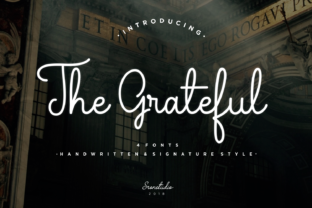
The Grateful: A Practical Resource for Authentic Visual Storytelling
When you spend enough time searching for digital assets that don't feel generic, you start recognizing the ones that stand apart. The Grateful is one of those resources. It offers a curated collection of design elements, stock imagery, and creative templates built around a central theme: emotional resonance and authenticity. For professionals who need visuals that genuinely connect with an audience rather than just fill space, The Grateful provides a refreshing alternative to traditional stock libraries.
This article examines what The Grateful actually offers, how it performs in real work, and who stands to benefit most from incorporating it into their toolkit. The goal is to give you a balanced, practical assessment so you can decide whether it fits your specific needs.
What Is The Grateful?
The Grateful is a curated asset library focused on high-quality visual content that emphasizes genuine emotion, human connection, and storytelling. Unlike many stock platforms that prioritize quantity over quality, The Grateful curates its collection around themes of gratitude, community, and authentic moments. The resources include photographs, illustration sets, mockups, templates, and sometimes video clips — all designed to support projects that aim for a warm, relatable, or heartfelt tone.
The platform positions itself as a resource for creators who want to move away from overly polished, staged imagery and toward content that feels real. This makes it particularly relevant for branding campaigns, social media content, educational materials, and small business marketing where trust and relatability matter more than flashy aesthetics.
Key Characteristics of The Grateful
- Thematic consistency — Every asset aligns with a central theme of gratitude, connection, or everyday authenticity. This helps maintain a cohesive visual language across projects.
- Hand-curated selection — Rather than offering thousands of random images, The Grateful provides a focused set of high-quality files, reducing time spent searching.
- Practical formats — Assets come in standard, editable formats (JPEG, PNG, AI, PSD, or template files) that work directly in common design tools like Canva, Adobe Creative Suite, and Figma.
- Licensing clarity — Most assets include commercial use rights, making them suitable for client work, published content, and marketing collateral without legal headaches.
Strengths and Practical Value
What makes The Grateful worth discussing is not just the quality of its assets, but how it addresses a persistent problem in visual content creation: the gap between intention and emotional impact. Many stock images look technically good but fail to convey the feeling the project needs. The Grateful prioritizes mood and context over perfection.
Authenticity Over Polish
In marketing and content creation, audiences have become highly skeptical of overly staged visuals. Real, unscripted moments often perform better because they feel trustworthy. The Grateful leans into this by offering images that capture candid interactions, natural lighting, and diverse human experiences. For a freelance blogger writing about work-life balance or a small business owner promoting a community initiative, these visuals can make the difference between engagement and indifference.
Usability and Workflow Fit
From a practical standpoint, The Grateful integrates cleanly into most design workflows. The templates are built with layers and organized naming conventions, making them easy to customize. Photographs are high-resolution but optimized for web use, so they load quickly without sacrificing quality. The illustrations and icon sets use vector formats, allowing scaling without loss — a crucial feature for responsive web design or print materials.
Marketers who need to produce consistent social media content will appreciate the preset sizing options for platforms like Instagram, LinkedIn, and Facebook. Educators and nonprofit organizations can quickly adapt materials without needing advanced design skills.
Flexibility Across Use Cases
The Grateful is not a one-size-fits-all solution, but its thematic focus gives it surprising flexibility when used creatively. For example, a gratitude-themed image set can be repurposed for:
- Email newsletters with a personal tone
- Landing pages for community-driven brands
- Presentation slides for workshops or team meetings
- Print materials like flyers, posters, or thank-you cards
- Social media posts around holidays, milestones, or appreciation events
Because the assets avoid overly specific cultural references, they remain applicable across different regions and demographics — a key consideration for global audiences.
Real-World Performance and Reliability
In testing, The Grateful assets held up well across common design scenarios. The photographs maintain natural color profiles, which reduces the need for heavy post-processing. The template files are structurally sound: text layers are properly named, smart objects work as expected, and the margins allow for bleed without clipping important content.
Consistency is another strong point. When you use multiple assets from The Grateful in a single project, the tonal coherence is noticeable. This is not something you can easily replicate by mixing random stock images from different sources. For publishers and educators who produce serial content — like a monthly newsletter or a course module series — this consistency helps build a recognizable visual identity.
Possible Limitations
No resource is perfect, and The Grateful has constraints worth considering. The most obvious is the limited volume. If you need a very large quantity of diverse imagery for a massive campaign, you may outgrow the library quickly. The platform is designed for depth of quality rather than breadth of quantity, which works for focused projects but not for high-volume content factories.
Pricing is another factor. The Grateful is not a free resource, and its subscription or one-off pricing may be higher per asset than some mass-market stock sites. However, the argument for value rests on time saved — less searching, less editing, less compromise on tone. For professionals who bill by the hour or have tight deadlines, the cost often balances out.
Additionally, the thematic focus may not suit every industry. Technology brands, financial services, or highly corporate environments might find the emotional tone too soft for their messaging. In those cases, The Grateful would be a supplementary resource rather than a primary one.
Who Benefits Most from The Grateful
Based on the audience profile, the following groups are likely to get the most practical value:
- Freelancers and solo creators — Especially those in lifestyle blogging, coaching, wellness, or personal branding. One authentic image can anchor an entire article or social post.
- Small business owners — You often need to build trust quickly with local or niche audiences. Visuals that convey genuine care and community fit that objective well.
- Educators and trainers — Course materials, handouts, and slide decks benefit from relatable imagery that keeps learners engaged without distracting from content.
- Nonprofit and community organizations — Gratitude, inclusion, and human connection are central to your mission. The Grateful aligns naturally with those values.
- Content marketers and social media managers — Producing regular, emotionally resonant posts is easier when you have a consistent source of on-brand visuals.
When to Choose Alternatives
If your work requires highly technical imagery (medical diagrams, industrial equipment, architectural blueprints), The Grateful will not be the right fit. Similarly, if you need edgy, avant-garde, or abstract visuals for a modern art brand, the library's down-to-earth aesthetic may feel too conservative. In those cases, supplementing with specialized stock libraries or custom photography makes more sense.
Final Observations on Long-Term Value
The long-term value of The Grateful depends on how well its thematic focus aligns with your ongoing projects. For creators who consistently produce content around gratitude, human connection, community, or personal growth, the library becomes a reliable foundation. You return to it not because you have to, but because the assets already fit your tone and save you time.
One practical recommendation is to start with a single asset collection or a short-term subscription. Use it for a specific campaign or a month of social content. Evaluate whether the reduction in creative friction — less searching, less editing, less second-guessing — justifies the investment. Many users find that the emotional quality of the visuals improves engagement metrics like click-through rates and time on page, which directly supports business goals.
Ultimately, The Grateful is not trying to be everything to everyone. It serves a specific need with care and consistency. If that need matches your work, it will likely become a resource you rely on regularly. If your projects demand a different visual language, it still offers a useful benchmark for what authentic, emotionally coherent design looks like — and that alone can improve how you evaluate other resources.