Destination Wedding Branding Essentials
Imagine a couple exchanging vows on a sun-drenched cliff in Santorini, or under a canopy of cherry blossoms in Kyoto. The visual identity for that specific Destination Wedding must capture that unique spirit. For graphic designers, this isn't just a stationery project; it is a deep exercise in holistic brand building. Every asset, from the save-the-date to the digital map, must transport the guest before they even pack their bags.
Building a Cohesive Brand Identity
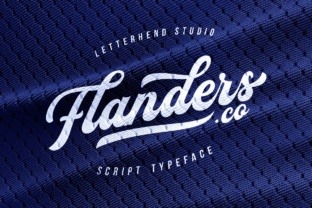
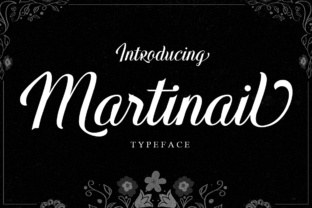
A successful destination event relies on a rock-solid brand identity. This goes beyond a simple logo to encompass a full visual universe. The typography should reflect the locale—perhaps a breezy script for a coastal retreat or a clean sans-serif for a minimalist city affair. The color palette is equally critical; it draws heavily from the environment, integrating terracotta, olive, and azure for a Tuscany wedding, or deep greens and crisp whites for a mountain lodge.
- Logo Design: Often a monogram or an illustrative crest that incorporates local flora or architecture serves as the anchor for the brand.
- Visual Hierarchy: Critical information (date, location, timeline) must remain instantly scannable across both digital and print formats.
- Modern Aesthetics: Balancing trendy elements with timeless design ensures the identity feels current yet classic.
Digital Experiences & UI/UX Design
In modern graphic design, the digital experience is as important as the physical. A dedicated wedding website is the central hub. Effective web design and UI design ensure that navigating the schedule, RSVPs, and travel details feels intuitive and luxurious. For digital marketing and social media graphics, consistency is key. A set of Instagram story templates, countdown graphics, and highlight covers creates anticipation and a beautifully cohesive feed. This design workflow for digital assets simplifies the process for the couple while maintaining high visual standards across all touchpoints.
Typography, Color, and Editorial Layouts
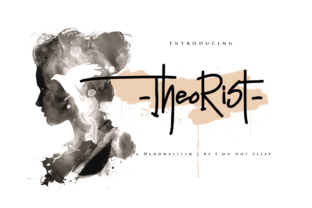
The true magic lies in the details. Editorial design principles elevate a simple invitation suite into a cherished keepsake. Mixing and matching serif and sans-serif fonts adds depth, while thoughtful whitespace ensures a professional presentation and premium feel. When applied to print design—welcome pamphlets, ceremony programs, and menu cards—these typographic choices guide the reader through a curated narrative.
Practical Tips for Designers
- Readability: A romantic script font is beautiful for headlines, but pair it with a highly legible body font for logistics like dates and addresses.
- Scalability: Ensure the primary brand mark works flawlessly on a favicon (16x16px) and a large welcome banner without losing recognition.
- Texture & Finish: In packaging design for welcome boxes, the choice of paper stock (matte vs. gloss) and finishing (foil stamping, embossing) deeply impacts the perceived value and tactile experience.
Creating Immersive Touchpoints
Consider the full spectrum of creative projects for a destination event. Signage is a massive opportunity to reinforce brand identity. Directional signs, welcome boards, and table numbers should seamlessly integrate the established visual language. Even merchandise—custom tote bags, hats, or matchboxes—functions as micro-branding opportunities. These physical objects become memory anchors. The best wedding designs create a feeling of immersion, turning a few days of celebration into a complete narrative through thoughtful visual communication.
The Designer's Role in Shaping Atmosphere
Ultimately, the graphic design goal is to create a cohesive experience that feels completely authentic to the couple and the location. By meticulously selecting every element—from the weight of a typeface to the saturation of the color palette—designers build a bridge between the digital invitation and the real-world experience. A thoughtful workflow that prioritizes UX design, audience expectation, and visual hierarchy ensures the brand resonates just as powerfully on a phone screen as it does on a linen menu card. By mastering these fundamentals, designers turn a beautiful location into a truly unforgettable story, proving that great design is the ultimate souvenir.